The Graph and the Cylinder: Four Weeks of Metering a Solar Diverter Against Its Own Claims
Solar diverters are sold with an appealingly simple proposition: when the roof is producing more than the house is using, send the surplus to the immersion heater rather than exporting it for a few pence. The appeal is strongest in homes with a 4 kWp array, a hot-water cylinder and a smart meter that makes export visible. But the number that matters is not the bright graph in the app. It is the energy that actually reaches the cylinder, and the fuel that energy displaces. For this CavLab test, we put a calibrated meter between a diverter and a 3 kW immersion heater and let four weeks of British autumn weather do the rest.
The apparatus and the claim
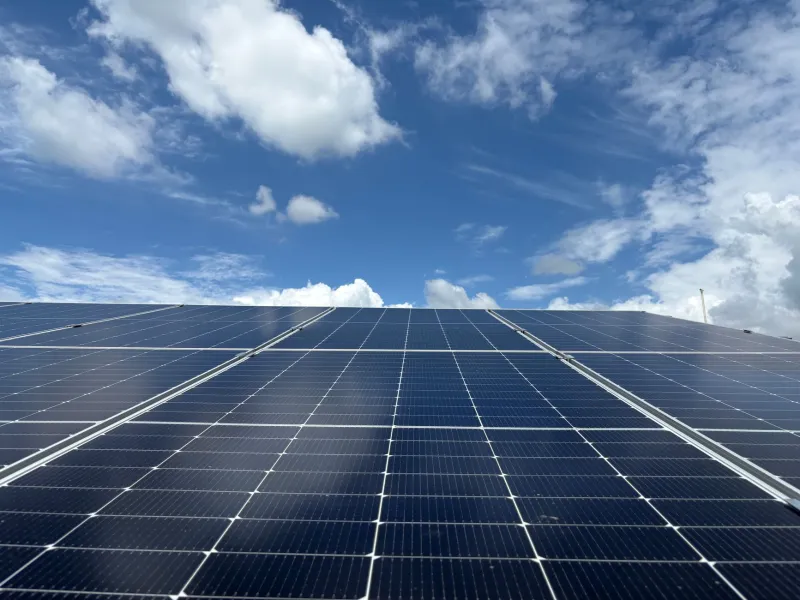
The test house is a typical UK semi-detached property with a 4 kWp roof array, a string inverter and a 210-litre unvented cylinder. The immersion heater is a standard 3 kW element, controlled by a diverter that uses a current transformer on the meter tails and a proportional control strategy. The manufacturer's app reports instantaneous solar generation, household load, grid import and export, and a daily figure for 'self-consumption'. It also reports energy diverted to hot water.
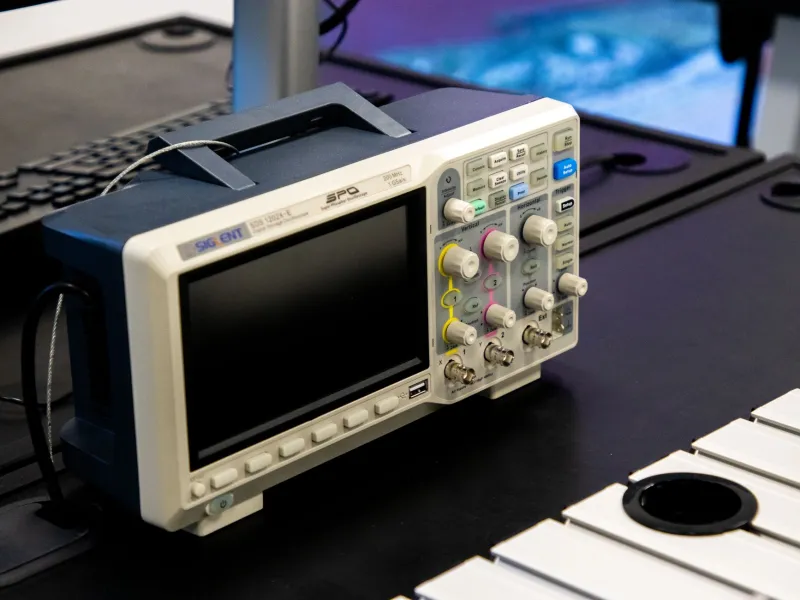
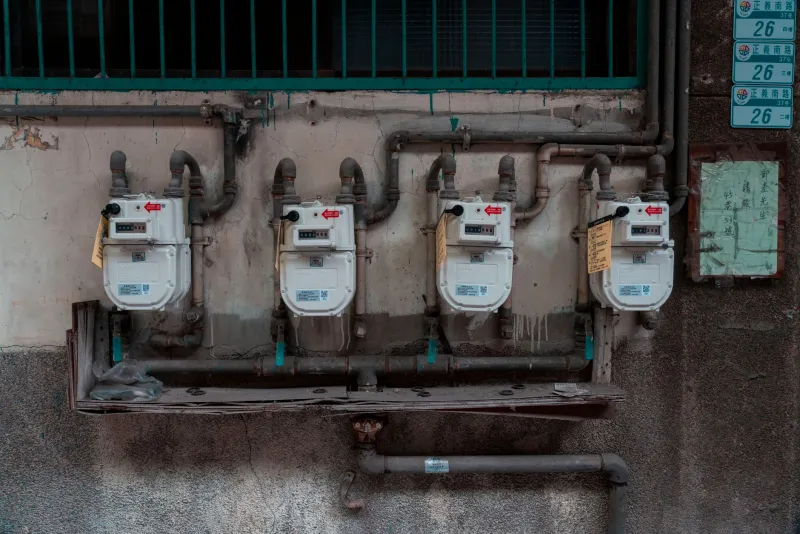
The measurement chain was deliberately separate. A MID-approved class 1 kWh meter was installed on the immersion circuit, downstream of the diverter, with a pulse logger recording at one-minute intervals. A second, independent current transformer and logger captured whole-house import and export. Cylinder temperatures were recorded at the top and bottom of the tank, and a local weather station provided irradiance and ambient temperature. The test ran from 12 October to 9 November 2026.
The diverter was left in its default proportional mode. The cylinder thermostat was set to 60°C, and the controller's weekly legionella cycle was enabled at its default Sunday afternoon slot. No behaviour was changed to flatter the equipment: showers, washing-up and the occasional bath proceeded as normal.
What the meter saw that the app did not
Over 28 days, the app reported 61.4 kWh diverted to hot water. The calibrated meter on the immersion circuit recorded 53.9 kWh. That is a shortfall of 7.5 kWh, or roughly 12 per cent. The gap is not a scandal, but it is instructive. The diverter estimates power from a current transformer and an assumed voltage; it does not measure the immersion circuit directly. Its control loop also pulses the element, and the app's integration of those pulses is coarser than a dedicated meter's. Some of the difference is likely to be estimation error rather than energy lost in the cable, but the effect is the same: the headline figure is optimistic.
The self-consumption figure was similarly tidy and similarly generous. The app reported 76 per cent self-consumption for the period. Our audit, combining the whole-house logger with the metered diversion, put the figure closer to 69 per cent. The difference comes partly from the diverter's estimate of household baseline load and partly from the fact that 'self-consumption' is a whole-home metric, not a diverter metric. A diverter can only claim the surplus that exists after the house has taken its share.
Standing losses and the legionella cycle
A hot-water cylinder is not a battery. It leaks heat continuously, and the rate of loss rises with temperature. In this installation, standing losses averaged 1.4 kWh per day at a stored temperature of 55-60°C. Over four weeks that is just under 40 kWh leaving the tank, independent of how the water was heated. Some of that loss is useful in winter, when it offsets space heating; in a well-insulated airing cupboard in autumn, most of it is simply lost.
The legionella cycle added another complication. Four weekly cycles raised the cylinder to 60°C for the required period. Because the diverter's default schedule ran at 14:00 on Sunday, the boost sometimes coincided with good generation and sometimes did not. Across the four cycles, the immersion meter recorded 6.8 kWh for legionella heating, of which only 2.9 kWh came from surplus PV. The rest was grid import. The app counted the PV portion as diverted solar; it did not present the grid portion as a cost of the hot-water strategy.
This is the part of the payback calculation that marketing tends to omit. Diverted energy is not the same as useful hot water. Standing losses, legionella boosts and the temperature setpoint all sit between the meter and the tap.
Payback arithmetic with real numbers
At a capped variable tariff of 24.5p per kWh, the 53.9 kWh metered at the immersion was worth £13.20 over four weeks. That is a shoulder-season figure, not an annual one. A crude seasonal adjustment for a 4 kWp array in southern England suggests 600-750 kWh of diversion over a full year in a household with this hot-water pattern. At 24.5p per kWh, that is £147-£184 of avoided electricity import.
A professionally installed diverter costs roughly £420-£550. On those figures, payback against imported electricity is between two and a half and three and a half years, before any export payment is considered. That looks attractive. But the comparison is only valid if the alternative is an electric immersion heater running on grid electricity. In a gas-heated home, the displaced fuel is gas at around 6.5p per kWh, adjusted for boiler efficiency. The same 600-750 kWh then displaces £45-£57 of gas, and payback stretches to eight or ten years. The diverter is not creating energy; it is choosing which fuel not to buy.
What this means for a 4 kWp household
The case for a diverter is strongest where hot water demand is high, the cylinder is reasonably insulated, and the alternative is electricity rather than gas. It is weaker where the cylinder is small, the household showers at the same time every morning, or the gas boiler is already efficient and cheap to run. The app's self-consumption figure should be treated as a control indicator, not an audited energy balance.
For anyone installing one, a separate kWh meter on the immersion circuit is a modest addition that turns a marketing claim into a measurement. Set the legionella cycle for a time when generation is likely, and accept that some of it will still come from the grid. The diverter is a useful device, but it is a controller, not a meter. The cylinder, as ever, keeps its own accounts.