CavLab Engineering, tested and explained.

CavLab

Engineering, tested and explained.

Latest Articles

The Graph and the Cylinder: Four Weeks of Metering a Solar Diverter Against Its Own Claims
Energy & Retrofit

The Graph and the Cylinder: Four Weeks of Metering a Solar Diverter Against Its Own Claims

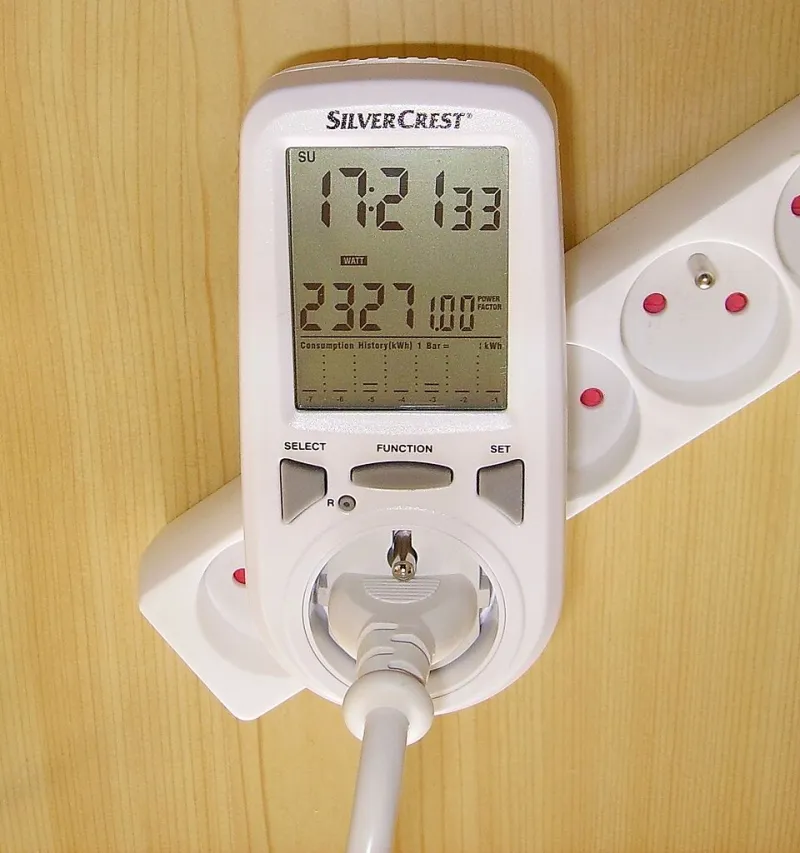
A calibrated meter, a 3 kW immersion heater and a popular solar diverter were left to argue for four weeks. The app's self-consumption figure was tidy; the airing cupboard told a more complicated story about standing losses, legionella cycles and what a 4 kWp array can actually displace.
Accidental Paths: Four Weeks Spent Chasing Earth Leakage Around a Victorian Terrace
Hardware & Standards

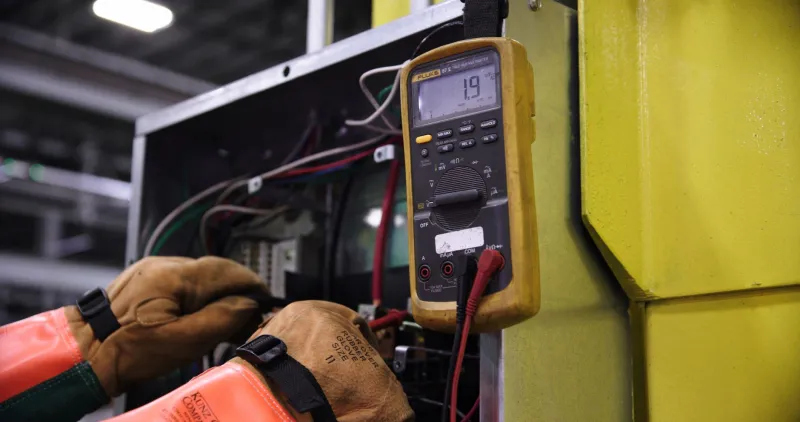
Accidental Paths: Four Weeks Spent Chasing Earth Leakage Around a Victorian Terrace

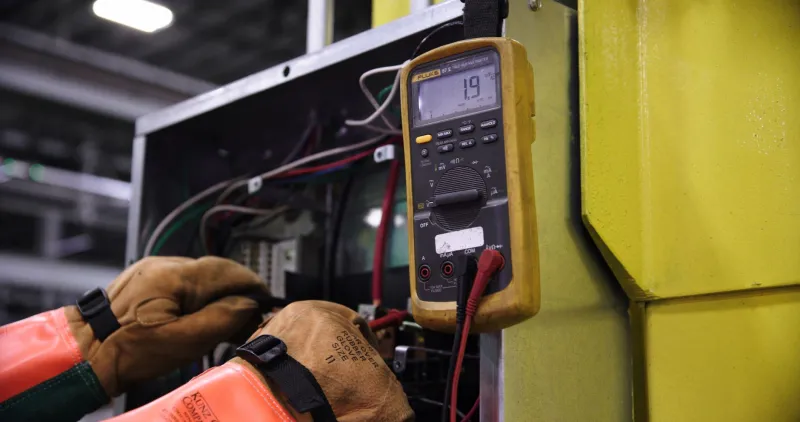
A 30 mA RCD that trips on an October evening is rarely reporting a single fault — it is reporting a sum. This is an account of four weeks with a leakage clamp meter in an 1898 terrace, measuring nine circuits one at a time to work out where the milliamps actually go, and which of them represent a genuine deterioration rather than the ordinary arithmetic of modern appliances.

Shared Copper, Shared Fate: A Month of Powerline Networking on a Victorian Ring Final
Hardware & Standards

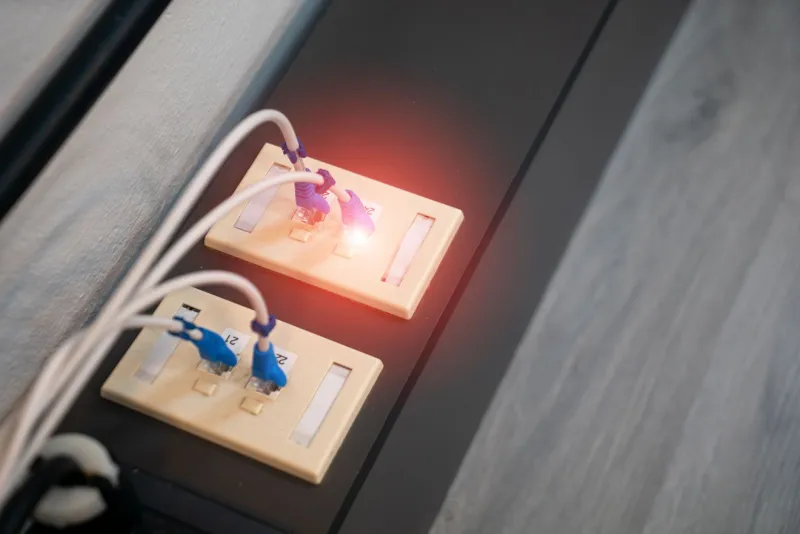
Shared Copper, Shared Fate: A Month of Powerline Networking on a Victorian Ring Final

Powerline adapters are often sold as a way to avoid pulling cable through an old house. In a Victorian terrace, the mains is a shared, noisy and topologically awkward medium. A month of measurements across three circuits shows where throughput survives, where latency collapses, and why the ring final is not a network.

Measured at the Threshold: What Three Video Doorbells Do Between a Press and a Notification
Hardware & Standards

Measured at the Threshold: What Three Video Doorbells Do Between a Press and a Notification

A forty-day doorstep audit of three video doorbells, instrumented to separate button-press latency from motion wake-up cost and cloud dependence. The useful question is not how good the picture looks, but what happens in the seconds before the notification arrives — and what remains when the broadband does not.

The Metronome Under the Floorboards: A Year of Listening to the Mains
Energy & Retrofit

The Metronome Under the Floorboards: A Year of Listening to the Mains

A calibrated mains-frequency logger spent twelve months plugged into a British ring main, counting cycles and recording the grid's smallest deviations. The result is a portrait of a system that is tightly controlled, quietly active and more variable in its physics than its headlines suggest.

Four Hundred Parts per Million Is Only the Beginning: Three Cheap CO2 Monitors Through an Autumn Term
Hardware & Standards

Four Hundred Parts per Million Is Only the Beginning: Three Cheap CO2 Monitors Through an Autumn Term

CavLab ran three sub-£100 NDIR carbon dioxide monitors alongside a calibrated reference for the first nine weeks of a British autumn term. The displays agreed with each other far more readily than they agreed with the reference, and the errors were not random — they drifted in a direction that makes a stuffy room look acceptable.

Volts Between Stations: A Field Audit of Train Sockets and USB-C Chargers
Hardware & Standards

Volts Between Stations: A Field Audit of Train Sockets and USB-C Chargers

Onboard 230 V sockets are not a small version of the mains at home. Over a series of UK journeys in autumn 2026, we logged voltage sag, waveform distortion and dropouts at the seat, then watched how USB-C chargers and laptops reacted. The results separate cosmetic annoyances from genuine electrical risks — and show where railway engineering is simply doing its job.

Splash, Frost and False Alarms: A Winter on the Garden's IP-Rated Sensors
Hardware & Standards

Splash, Frost and False Alarms: A Winter on the Garden's IP-Rated Sensors

Five outdoor smart sensors, one British winter and a set of IP ratings that promised more than they could deliver. We compare claimed ingress protection with condensation, cold batteries and the realities of a wet garden.

Load, Heat and Paperwork: Measuring a 7.4 kW EV Charger on a Legacy Consumer Unit
Energy & Retrofit

Load, Heat and Paperwork: Measuring a 7.4 kW EV Charger on a Legacy Consumer Unit

A 7.4 kW charger is a 32 A load that runs for hours, not minutes. We instrumented one on an older consumer unit to see where thermal behaviour, voltage drop and diversity diverge from the installation paperwork.

Eight Hundred Watts, One Grey Season: What a Balcony PV Kit Really Delivers
Energy & Retrofit

Eight Hundred Watts, One Grey Season: What a Balcony PV Kit Really Delivers

Plug-in solar kits are being discussed as a simple route to domestic generation, but a British winter is a stern test. We instrumented an 800 W balcony kit for six months, logging yield, inverter behaviour and the arithmetic behind payback.

Hardware & Standards

Listening at the Router: A Week of Traffic from a British Smart Home

Smart thermostats and hubs promise convenience, but their network behaviour is rarely examined. Using a mirrored WAN port and local DNS logging, we mapped a week of traffic from common UK smart-home devices and tested how much control survives without the cloud.

Down the Plot, Up the Stack: A Season of LoRaWAN Sensors on a British Allotment
Hardware & Standards

Down the Plot, Up the Stack: A Season of LoRaWAN Sensors on a British Allotment

Eight soil-moisture nodes, one solar-powered gateway and a Grafana dashboard, run across the 2026 growing season on a UK allotment site. Here is what the radio link, the batteries, the enclosures and the data actually did when the weather stopped cooperating.

Two Kilowatts of Hope: What Smart Kettles Actually Do With a Litre of Water
Energy & Retrofit

Two Kilowatts of Hope: What Smart Kettles Actually Do With a Litre of Water

Four connected kettles, one dumb control and a calibrated power analyser: we measured real energy-to-boil, idle radio draw, keep-warm costs and whether a 70 °C setting actually reaches 70 °C. Some features earn their Wi-Fi. Most do not.

Contention at Teatime: A Month of Full-Fibre Throughput, Latency and Loss in a UK Home
Hardware & Standards

Contention at Teatime: A Month of Full-Fibre Throughput, Latency and Loss in a UK Home

A 900 Mbps full-fibre service was instrumented for 30 days to separate access-line performance from Wi-Fi and home-network effects. Wired throughput held close to the advertised median at peak, but latency and the tenth percentile told a more honest evening story.

Energy & Retrofit

Counting the Kilowatt-Hours Twice: Auditing a SMETS2 Meter Against a Calibrated Logger

A SMETS2 electricity meter, its in-home display and a calibrated energy logger were logged side by side for 30 days. Daily totals agreed closely, but tariff boundaries and display rounding showed where a time-of-use household can misread its own data.

Where the Watts Sleep: Seven Days of Standby Measurement in a British Home
Energy & Retrofit

Where the Watts Sleep: Seven Days of Standby Measurement in a British Home

A week with plug-in monitors and a whole-house logger in a Sheffield semi quantifies what stays awake when the house is quiet. The always-on floor is larger than most smart-home advice assumes, and much of it cannot sensibly be switched off at all.

Bench Versus Tarmac: Auditing E-Bike Battery Claims Against a Hilly British Route
Hardware & Standards

Bench Versus Tarmac: Auditing E-Bike Battery Claims Against a Hilly British Route

CavLab put four UK-market e-bike packs through a controlled discharge and charger test regime, then rode a fixed Pennine loop to see how bench watt-hours translate into real miles. The gap between nameplate capacity, usable energy and advertised range turns out to be engineering, not marketing alone.

Thirteen Amps of Caution: Taking Apart the British Plug to See What BS 1363 Still Gets Right
Hardware & Standards

Thirteen Amps of Caution: Taking Apart the British Plug to See What BS 1363 Still Gets Right

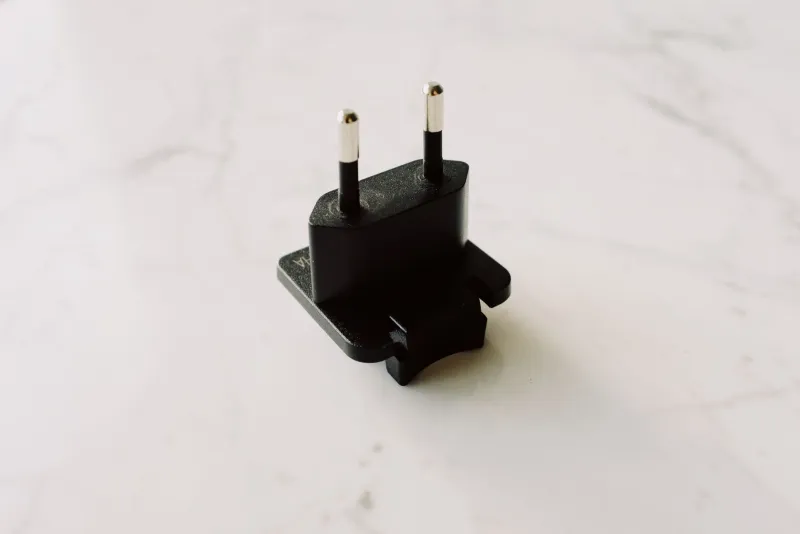
The UK three-pin plug is heavier, bulkier and more expensive than almost any rival — and it is still the safest domestic mains connector in common use. We dismantled one, traced the design decisions behind BS 1363, and asked whether a standard written for post-war copper shortages still fits a home full of EV chargers and heat pumps.

Cold Comfort: Instrumenting a Victorian Terrace to Test What Heat Pumps Actually Deliver
Energy & Retrofit

Cold Comfort: Instrumenting a Victorian Terrace to Test What Heat Pumps Actually Deliver

Solid walls, suspended timber floors and a bay window: the pre-1919 terrace is the hardest test in British retrofit. We built an instrumented rig to model one, ran it across a range of flow temperatures, and compared the measured results with the figures printed in manufacturer literature.