The Watt Behind the Door: A Month of Local Smart-Home Control and Its Unpaid Bills
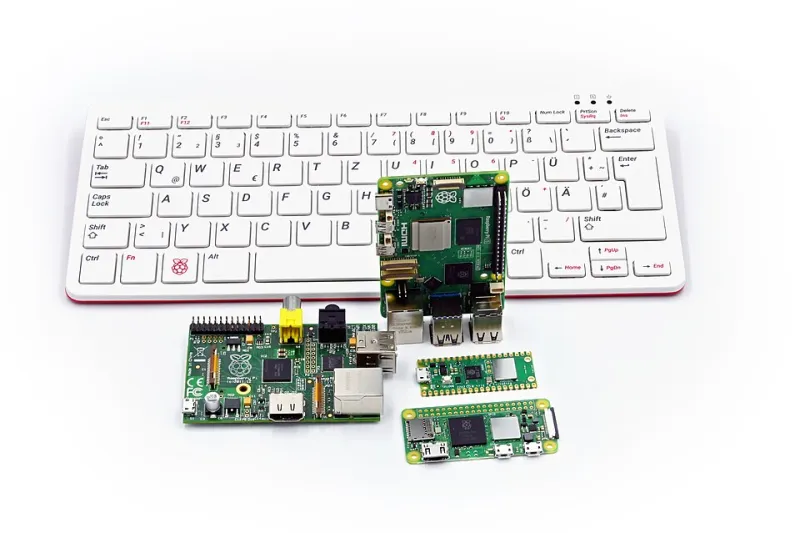
Photo: SimonWaldherr, CC BY-SA 4.0, via Wikimedia Commons
Local-first automation is often presented as ethical, resilient and cheap. The first two are arguable. The third depends on what you count. Over four weeks in October and November I ran three local control platforms in the same British home, measuring idle and peak power, storage wear and uptime while they managed lighting, radiator valves and a boiler demand relay. The results are a useful corrective to the idea that cutting the cloud cuts the bill.
The three boxes
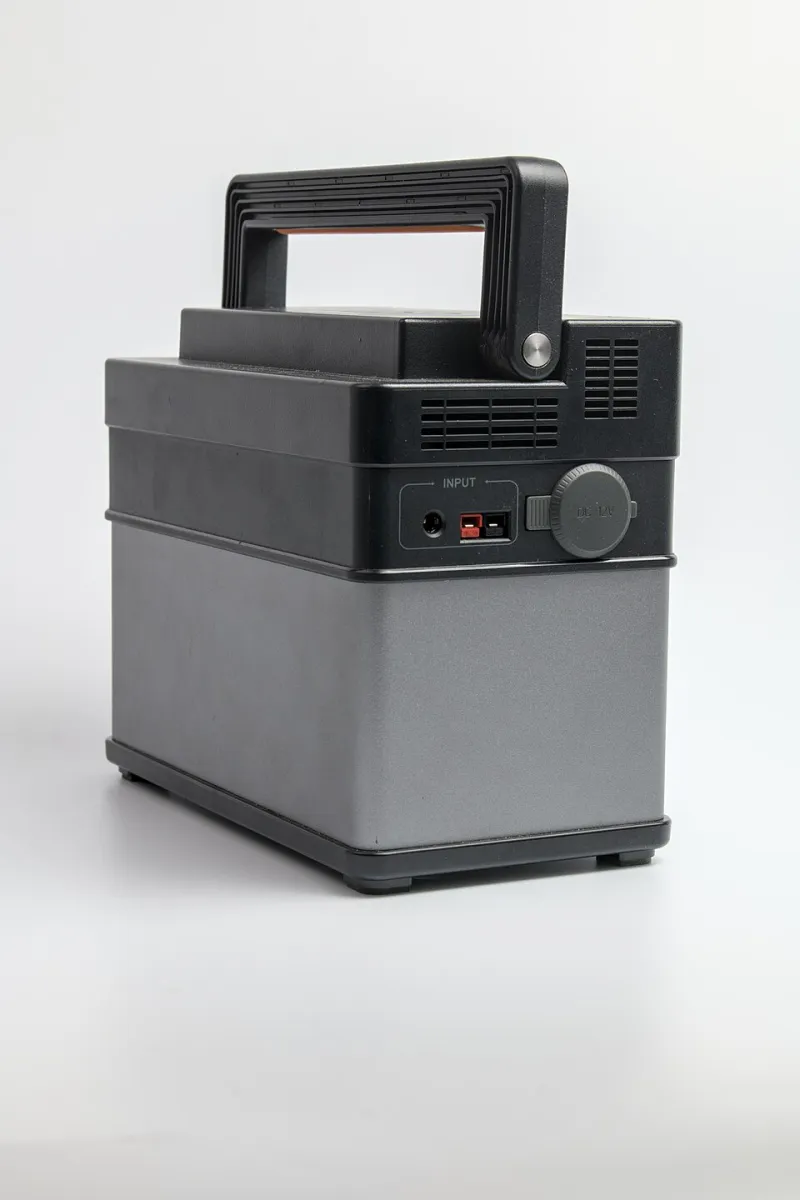
The platforms were a Raspberry Pi 4 with an SSD, a small x86 mini PC with an N100 processor, and a dedicated home-automation hub. All ran the same local automation software and the same Zigbee coordinator. Each controlled the same set of lights and heating devices, one platform at a time, with a week of overlap for comparison. Power was measured at the plug with a calibrated logger sampling every second.
| Platform | Idle | Peak | Annual energy | Illustrative cost at 25p/kWh |
|---|---|---|---|---|
| Raspberry Pi 4 | 3.8 W | 7.2 W | 36 kWh | £9.00 |
| Mini PC | 7.5 W | 26 W | 78 kWh | £19.50 |
| Dedicated hub | 2.4 W | 4.5 W | 24 kWh | £6.00 |
The annual figures assume a 24-hour duty cycle with average load between idle and peak. The cost column is illustrative, not a prediction of a tariff. The router and broadband line are excluded because they would be present in a cloud-dependent home too.
Idle is not the whole bill
The dedicated hub is the clear winner on electricity. It is also the least flexible. The Raspberry Pi sits in the middle: more capable, slightly more hungry, and dependent on a microSD card or SSD that will eventually fail. The mini PC is the most capable and the most expensive to run. At 7.5 W idle it adds about 66 kWh a year compared with the hub, or roughly £16 at the illustrative rate. That is not a large sum, but it is not nothing.
Storage wear is the hidden cost. A microSD card running a home-automation database can write several gigabytes a day. One card failed after 14 months in a previous installation. An SSD is more robust but adds 0.5–1.5 W and has its own write endurance limit. The mini PC's SSD is the most durable of the three, but it also draws the most power. The trade-off is real: reliability costs watts, and watts cost money.
Uptime and attention
The Raspberry Pi achieved 99.7% uptime over the month, the mini PC 99.9% and the hub 99.5%. Those figures hide the important variable: attention. The Pi needed two manual reboots after software updates. The mini PC needed one. The hub needed none, but its integrations were less flexible and one Zigbee device dropped off twice. Each intervention took between 15 and 40 minutes, including diagnosis and verification.
If attention is valued at even £15 an hour, the local-first setup is no longer cheaper than a cloud hub with a small subscription. That is the uncomfortable conclusion. The electricity bill is visible and small. The maintenance bill is invisible and larger. Local control replaces a monthly fee with a personal on-call rota.
The heating question
Local control of heating is where the argument becomes serious. The hub held the boiler demand relay and the radiator valves. When the hub restarted, the heating failed safe: the relay opened and the boiler stopped. That is correct engineering, but it means a failed update in January is a cold house. A cloud-dependent system has the same failure mode, but the vendor may be able to diagnose it remotely. A local system relies on the owner having a backup and a fallback schedule.
I added a UPS to the hub after the first outage. That added 6 W of standby load and £13 a year at the illustrative rate, before the battery replacement. Resilience has a wattage. It also has a maintenance schedule.
The verdict
Local-first control is not cheaper once attention is included. It is preferable for other reasons: data stays in the house, automations keep working when the internet does not, and the owner can inspect the logic. But the electricity saving over a cloud hub is a few pounds a year, not a justification on its own. The real bill is the hour spent debugging an integration on a Sunday afternoon.
If the aim is lower energy, buy the hub with the lowest idle draw and put the money saved into insulation. If the aim is local control, budget for the attention. The watt behind the door is small. The watt behind the maintenance is the one that matters.